Celebrate Independence Day with Stunning American Flag Backgrounds
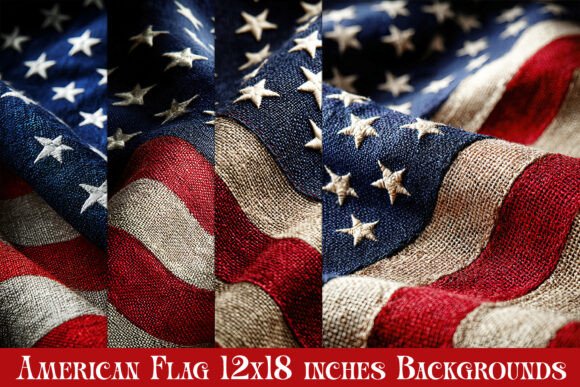
When the calendar turns to July, the visual language of the United States shifts to a distinct palette of red, white, and blue. For designers, marketers, and crafters, the challenge isn't just finding patriotic imagery, but finding assets that balance tradition with high-resolution versatility. This is where the July 4th, American Flag Backgrounds package enters the conversation. It is not merely a collection of images; it is a comprehensive design toolkit intended to bridge the gap between digital precision and tangible crafting. The package features a curated set of 4 high-quality RGB .JPG backgrounds, each sized at a generous 12×18 inches (3600×5400 pixels at 300dpi). This specific resolution is the industry standard for print-ready work, ensuring that whether you are creating a massive garden flag or a small sticker, the texture remains crisp and the colors vibrant.
The Anatomy of the Design: Texture, Style, and Appeal
The visual personality of these backgrounds leans heavily into the concept of "authentic Americana." Unlike sterile, flat vector graphics, these backgrounds likely capture the subtle weave and texture of fabric, mimicking the way a real American flag catches the light and folds in the breeze. This tactile quality is essential for modern editorial design and packaging design, where consumers crave authenticity. The "stars and stripes" motif is iconic, but in the context of these files, it serves as a foundational layer that adds depth without overwhelming the primary content. For those working on junk journals or printable journals, this texture provides a vintage, weathered feel that perfectly complements ephemera, stickers, and handwritten notes. It transforms a flat page into a storybook of history.
From Digital Pixels to Physical Prints: A Dual-Purpose Asset
One of the standout features of this package is its dual-nature design. In the realm of digital craft, these files are optimized for web design and social media graphics. A blog header featuring a faded, textured flag immediately sets a patriotic tone without needing complex coding. For social media advertising, a high-resolution background allows text overlays to pop, improving readability and visual hierarchy. The RGB color mode ensures that the blues are electric and the reds are deep when viewed on monitors and mobile screens, making them ideal for cellphone backgrounds and digital invitations.
However, the true versatility shines in the physical realm. The 300dpi specification is critical here. When you move from screen to paper, pixelation is the enemy. Whether you are using a home inkjet printer for card making or uploading files to a professional print-on-demand service for sublimation, the file integrity holds up. This makes the package suitable for t-shirt design backgrounds, where the flag imagery can sit behind a bold typographic statement, or for tumblers, where the image needs to wrap seamlessly. The 12x18 inch size is particularly helpful for scrapbooking, as it reduces the need for excessive tiling when creating full-page layouts.
Integrating Patriotic Themes into Brand Identity
For small business owners and entrepreneurs, the Fourth of July is more than a holiday; it is a marketing season. Using July 4th, American Flag Backgrounds in your branding requires a strategic approach to maintain professionalism. The key is to treat the background as a texture or a mood, rather than the main event. For example, if you are designing a logo or a flyer for a summer sale, placing white text over a muted or slightly desaturated version of the flag background creates a sophisticated contrast. This technique leverages the visual hierarchy, ensuring your message is readable while the patriotic theme is immediately recognizable.
Consider the psychology of color in this context. Red, white, and blue evoke trust, energy, and stability. By incorporating these assets into your brand identity during the summer season, you align your business with the community's shared cultural moment. This is particularly effective for local businesses, event planners, and content creators who want to show their spirit without relying on generic clipart. The files can be used to create cohesive campaigns across different mediums—using the same background for a Facebook ad, a printable coupon, and a storefront window display ensures brand consistency.
Practical Applications for Crafters and Designers
The scope of application for these backgrounds is vast, limited only by the creator's imagination. For the gnome junk journal enthusiast, these pages provide the perfect "base layer." Imagine a journal page where the background is a vintage-style flag, overlaid with a digital gnome sticker and a handwritten quote about freedom. The high resolution ensures that when you print this page at home, the ink sits beautifully on the cardstock.
For digital marketers, these assets replace the need for expensive photoshoots. Need a quick background for a "Happy Independence Day" post? The file is ready to go. Need a header image for a July newsletter? The aspect ratio is flexible enough to crop for various platforms. Here are a few specific ways to utilize this package:
- Invitations: Create rustic, textured party invites for backyard BBQs that stand out in a digital inbox.
- Garden Flags: Use the high-res file to print weather-resistant fabric for outdoor decor.
- Stickers: Crop specific sections (like the stars or stripes) to create die-cut stickers for planners.
- Web Headers: Add a patriotic banner to your website homepage for the month of July to boost seasonal engagement.
Technical Considerations and Design Best Practices
When working with American flag backgrounds, readability is the primary concern. Because the flag features both bold stripes and intricate stars, text placed directly on top can get lost. To counter this, utilize design techniques such as adding a semi-transparent overlay (a "veil") between the background and your text. A black or white gradient overlay can darken or lighten the edges, pushing the background into the periphery and bringing your typography to the center.
Furthermore, consider your font pairing. A bold, sans-serif font often works best against the complex patterns of a flag, providing a modern, clean contrast to the traditional imagery. If you prefer a script font or handwritten font for a more personal touch, ensure it is thick enough to remain legible or place it inside a solid shape, like a banner or text box. The goal is to create a harmonious balance where the background supports the message rather than competing with it. By treating these backgrounds as professional design assets rather than just holiday pictures, you elevate the quality of your final product, ensuring it resonates with your audience and stands the test of time.