Alice in Wonderland Shabby Backgrounds: A Creative Asset Guide
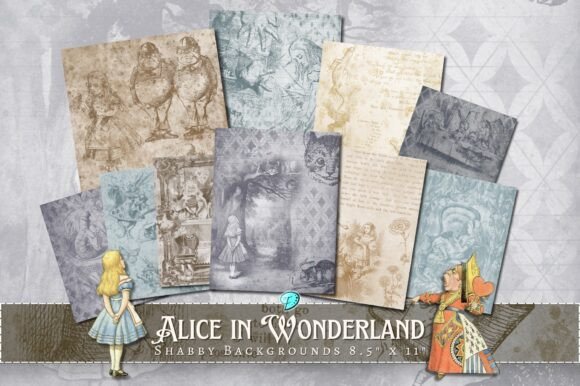
There is a specific kind of magic found in the intersection of classic literature and tactile art. For designers and crafters looking to capture the whimsy of Lewis Carroll with a vintage, textured aesthetic, the Alice in Wonderland Shabby Backgrounds pack offers a distinct solution. This collection moves beyond standard digital papers; it provides a curated set of visual foundations designed to evoke a sense of history, nostalgia, and handcrafted charm.
The Visual Character of These Design Assets
When you open this digital pack, you aren't just getting flat colors or repetitive patterns. You are receiving ten printable sheets, sized at 8.5” x 11” and rendered at a crisp 300dpi. The "shabby" style is key here. Think of it as a blend of mixed media and found imagery. The aesthetic often features distressed textures, faded color palettes typical of antique paper, and layered elements that suggest the page has a story to tell.
The creator notes that the work is a blend of hand-drawn illustrations and digitally enhanced visuals. This results in a typeface of texture—meaning the visual "voice" of the background speaks of craftsmanship rather than mass production. Unlike a clean, modern sans serif font or a sharp serif font, these backgrounds embrace imperfection. They provide a visual warmth that is often missing in standard web design or graphic design assets. If you are building a brand identity that relies on authenticity and a vintage feel, these textures are invaluable.
Practical Applications for Crafters and Designers
The versatility of these design assets is one of their strongest selling points. Because they are high-resolution JPEGs, they bridge the gap between digital and physical creation. For the digital creator, these files work exceptionally well as base layers for social media graphics. Imagine using one of these shabby textures as the background for an Instagram quote or a Pinterest pin; the visual hierarchy shifts immediately, lending authority and depth to the text overlay.
For those in editorial design or publishing, consider using these as the endpapers for a digital ebook or the background for a chapter title page. It sets a mood instantly. However, the physical applications are where these files truly shine in the crafting community:
- Junk Journaling and Ephemera: The textures are perfect for printing out, tearing the edges, and using as ephemera pieces or envelope liners. They mimic the look of old book pages or vintage wrapping paper.
- Scrapbooking and Card Making: Use them as full-page backgrounds or cut them down to create tags and pockets. The 300dpi quality ensures that printed images remain sharp and do not pixelate.
- Packaging Design: If you are a small business owner selling handmade goods, printing these onto cardstock to wrap products can elevate the unboxing experience significantly.
Integrating with Modern Typography and Layouts
A common challenge with textured, "shabby" backgrounds is ensuring that text remains legible. This is where understanding modern typography becomes practical. When overlaying text on these detailed backgrounds, you need to manage the contrast carefully.
Avoid using a script font or a highly decorative handwritten font directly on top of the busiest parts of the texture. Instead, use a semi-transparent shape or a vellum overlay to create a "quiet" zone for your text. Alternatively, use a bold display font with a drop shadow to separate the letters from the background noise. For example, pairing a clean, geometric sans serif font with the organic, chaotic nature of the Alice in Wonderland textures creates a balanced font pairing. The contrast between the rigid geometry of the typeface and the soft, distressed background creates visual interest without sacrificing readability.
Technical Guidance and File Management
As with any premium font or digital asset, file management is crucial. The product description includes a specific note regarding operating systems. The pack includes MacOSX files within the zip. If you are a Windows user, it is vital to ignore any files that begin with "._". These are metadata files used by Apple systems to store folder attributes and are not usable image files.
It is a common occurrence for users to panic when they see these "ghost" files or think images are missing. The best practice is to extract the zip file and immediately sort the contents by file type. Select only the JPEGs for your project. This ensures you are working with the actual creative font backgrounds and not system data. Always verify the file count against the product description to ensure your download is complete.
Evaluating Fit for Your Brand Identity
Before integrating these assets, consider your project's core message. These backgrounds communicate a very specific vibe: whimsical, nostalgic, handcrafted, and slightly antique. They are excellent for small business owners in the stationery, bakery, or boutique sectors. They work well for content creators focusing on literature, history, or DIY crafts.
However, if your brand identity is sleek, ultra-modern, corporate, or minimalist—relying heavily on sans serif fonts and flat colors—these textures might clash with your existing aesthetic. In that case, the backgrounds might be better suited for internal mood boards or personal projects rather than client-facing marketing materials. The goal is brand consistency; every asset should feel like it belongs to the same family.
Final Thoughts on Commercial Use and Support
For entrepreneurs and marketers, the commercial viability of an asset is just as important as its look. Always review the licensing details provided in the store information. Understanding whether you can use these backgrounds in products for sale (like printed planners or digital templates) is essential for professional workflow.
If you encounter issues with the files or have specific questions about usage, the creator encourages direct communication. Engaging with the artist can often provide insights into how the mixed media elements were constructed, which can inspire new ways to use the design assets. Whether you are printing these out for a scrapbook or layering them into a logo design concept, the Alice in Wonderland Shabby Backgrounds provide a textured, story-rich canvas for your next project.